Delivering advanced cardiac care for children at scale, backed by high clinical volumes and expertise.
Overview
Clear Vision Starts
with Expert Eye Care
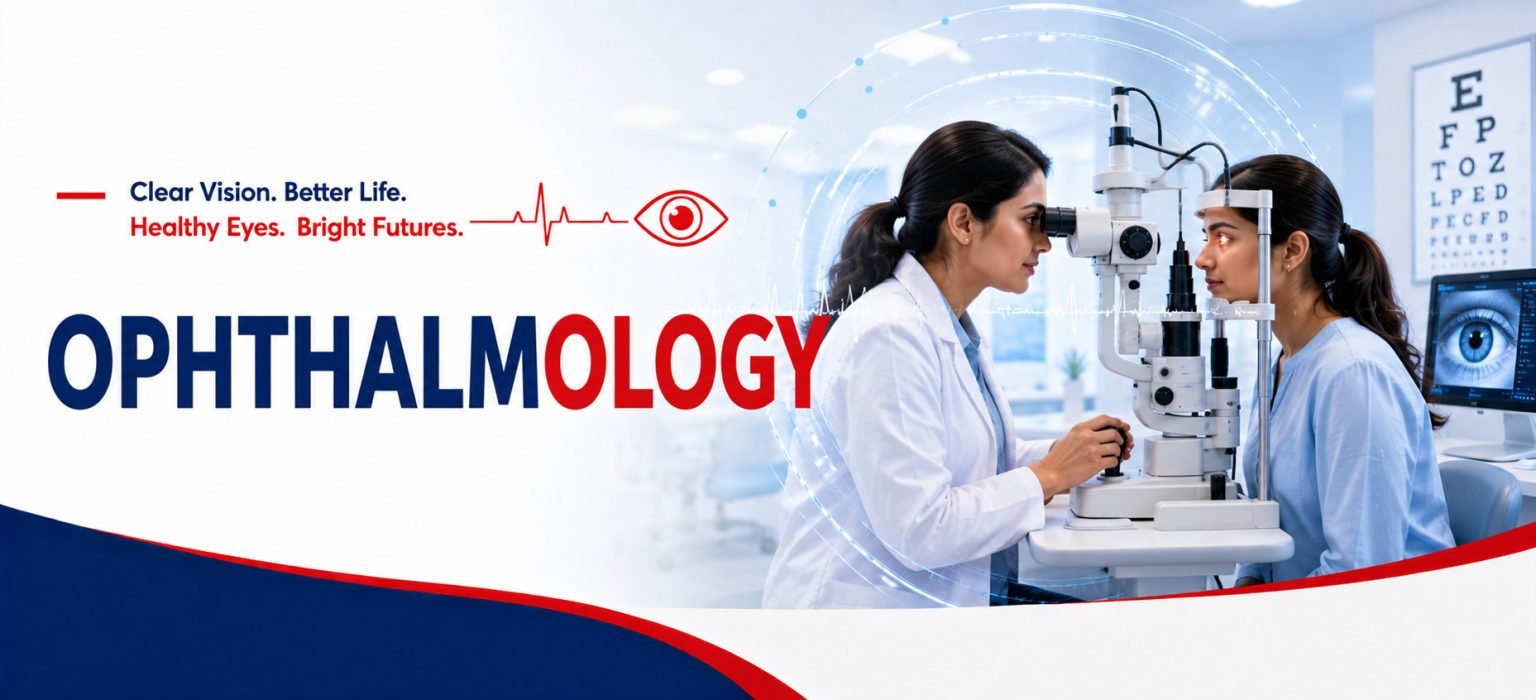
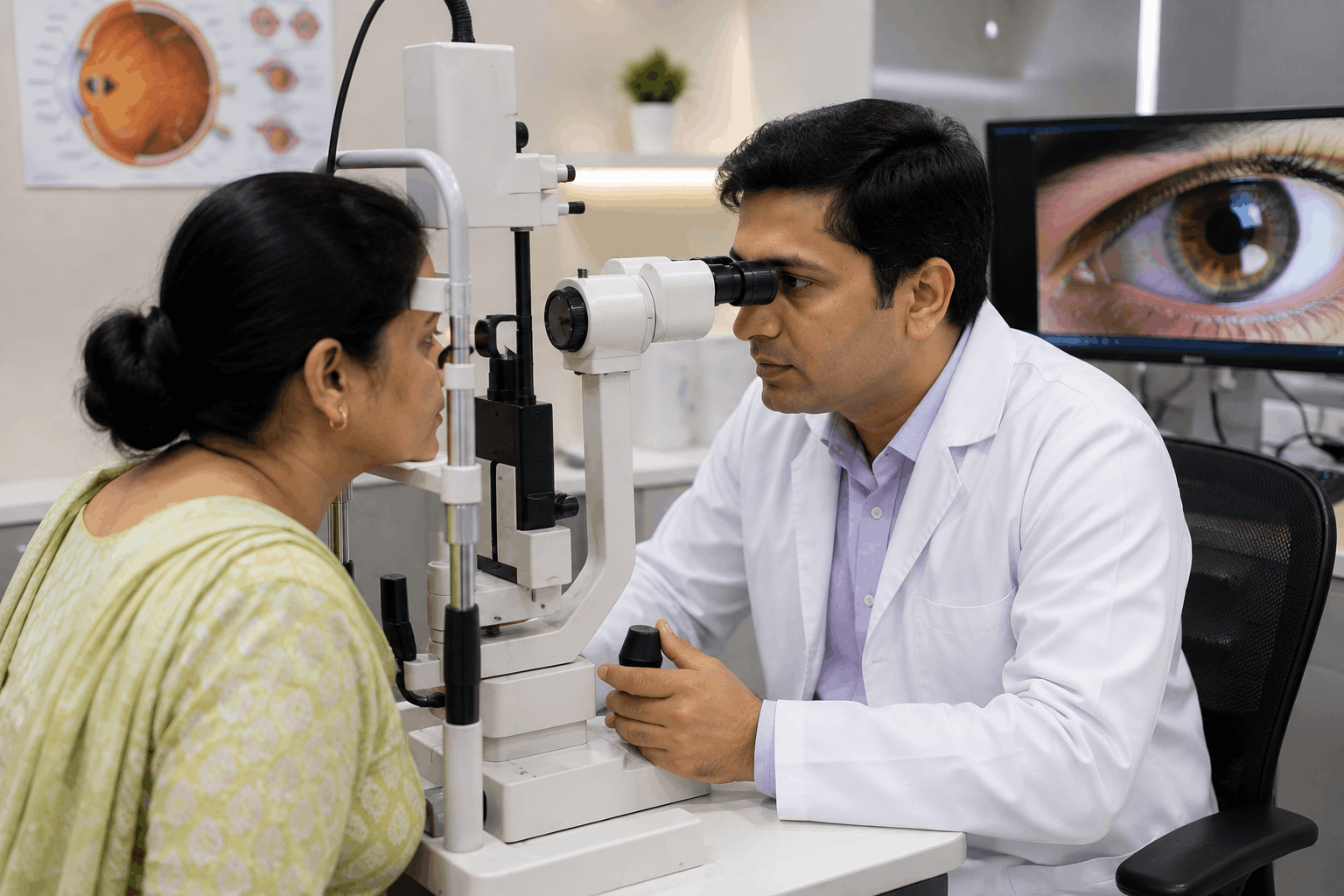
Our Ophthalmology Department provides comprehensive diagnosis, treatment, and surgical care for a wide range of eye conditions. From routine eye examinations to advanced cataract and retinal care, our specialists focus on preserving vision and promoting lifelong eye health through personalized treatment plans.
Expert Care
Ophthalmology Services
All Type of Retinal Surgeries.
Complete Retina Workup Including Fluorescein Angiography, Fundus Photography and Laser Treatment
Comprehensive Eye Care.
Glaucoma Workup and Surgeries.
Squint Surgeries.
Topical Phacoemulsification with Intra Ocular Lens Implants for Cataract.
Treatment of Lid and Sac Disorders.
Why Choose Us
Eye Care
Services
Vision Assessment
Cataract & Retina Care
Complete Vision Care
Early Detection for Better Eye Health
Regular eye examinations help identify vision problems and eye diseases at an early stage, allowing timely treatment and helping protect long-term eyesight.
Our Services Include
Eye Examination
Vision Testing
Cataract Evaluation
Glaucoma Screening
Advanced Treatment for Common Eye Disorders
Our specialists diagnose and manage cataracts, retinal diseases, diabetic eye conditions, and other vision-threatening disorders using modern diagnostic and surgical techniques.
Our Services Include
Cataract Surgery
Retina Evaluation
Diabetic Retinopathy Care
Medical Eye Treatment
Personalized Solutions for Every Age
From children's eye care to age-related vision problems, we provide individualized treatment plans that support healthy vision at every stage of life.
Our Services Include
Pediatric Eye Care
Squint Treatment
Dry Eye Management
Follow-up Eye Care
Frequently Asked Questions
Q1. How often should I get my eyes examined?
Adults should have regular eye examinations every one to two years, while people with diabetes, glaucoma risk, or existing eye conditions may require more frequent check-ups as advised by their ophthalmologist.
Q2.What symptoms should never be ignored?
Sudden vision loss, flashes of light, persistent eye pain, double vision, redness, or a rapid increase in floaters should be evaluated immediately by an eye specialist.
Q3. Can diabetes affect eyesight?
Yes. Diabetes can damage the blood vessels in the retina, leading to diabetic retinopathy. Regular eye examinations help detect changes early and reduce the risk of vision loss.
Q4. Is cataract surgery the only treatment for cataracts?
Once cataracts significantly affect vision and daily activities, surgery is the most effective treatment. Your ophthalmologist will recommend the appropriate time based on your eye health and visual needs.
Select the fields to be shown. Others will be hidden. Drag and drop to rearrange the order.