Understanding Cerebral Palsy and
Child Development
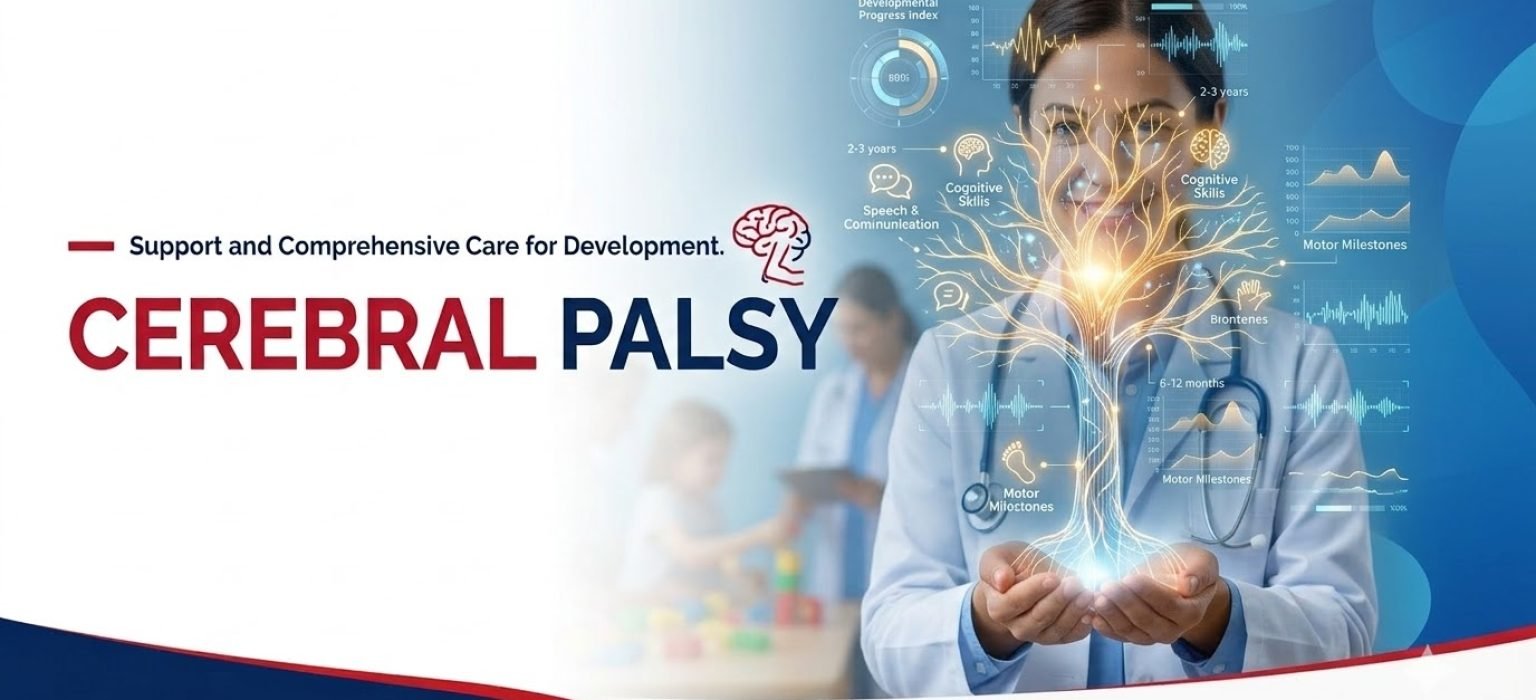
Cerebral Palsy (CP) is a group of conditions that can affect movement, muscle control, posture and coordination in children. At Ek Pahal, understanding a child’s individual developmental needs is an important part of Cerebral Palsy Care. Early attention to Cerebral Palsy Symptoms, developmental milestones and movement difficulties can help parents seek appropriate guidance and support at the right time.
Expert Care
Areas of Care
Developmental Assessment
Motor Development
Muscle & Movement Care
Parent Guidance
Posture & Balance
Speech & Communication
Why Choose Us
Cerebral Palsy Care
We Provide
Early Understanding
Developmental Support
Ongoing Child-Centred Care
Recognising Cerebral Palsy Symptoms
Cerebral Palsy Symptoms can appear differently in different children. Changes in muscle tone, movement, posture, balance or developmental milestones may need attention. Recognising these signs early can help parents understand when professional evaluation may be appropriate.
Our Care Focus Includes:
Developmental milestones
Muscle tone and movement
Balance and coordination
Posture-related concerns
Helping Children Build Everyday Skills
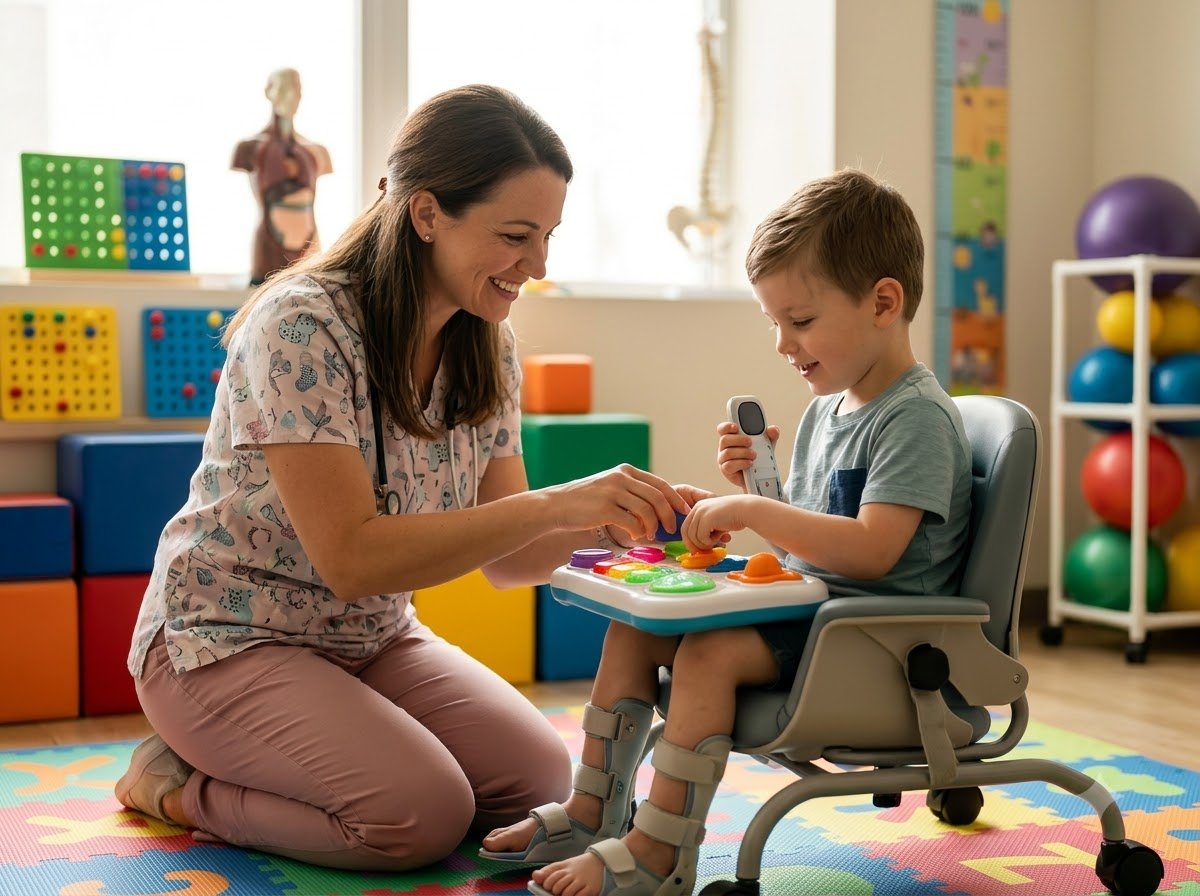
Children with Cerebral Palsy may need support with movement, communication, learning or daily activities. Understanding their individual abilities and challenges can help families focus on practical developmental goals and provide consistent support at home and in daily routines.
Our Care Focus Includes:
Motor skill development
Communication support
Daily activity skills
Parent guidance
Supporting Progress Step by Step
Every child with Cerebral Palsy has different strengths and developmental needs. Ongoing observation helps families understand progress and changing requirements. A child-centred approach focuses on practical support, regular guidance and developmental goals suited to the child.
Our Care Focus Includes:
Individual developmental needs
Progress monitoring
Family involvement
Continued guidance
Frequently Asked Questions
Q1. What is Cerebral Palsy?
Cerebral Palsy is a group of conditions that primarily affect movement, muscle control, posture and coordination. It can affect children differently depending on the type and severity of the condition.
Q2. What are common Cerebral Palsy Symptoms?
Common signs may include unusual muscle stiffness or weakness, delayed motor milestones, difficulty with balance, unusual movement patterns and challenges with coordination. Symptoms can vary between children.
Q3. Can children with Cerebral Palsy improve their development?
Many children can work towards improving their functional abilities with appropriate developmental support and regular guidance. Progress depends on the child’s individual condition, abilities and support needs.
Q4. When should parents seek guidance for Cerebral Palsy?
Parents should consider professional guidance if they notice significant delays in movement or developmental milestones, unusual muscle tone, difficulty with balance or other persistent developmental concerns.
Select the fields to be shown. Others will be hidden. Drag and drop to rearrange the order.